

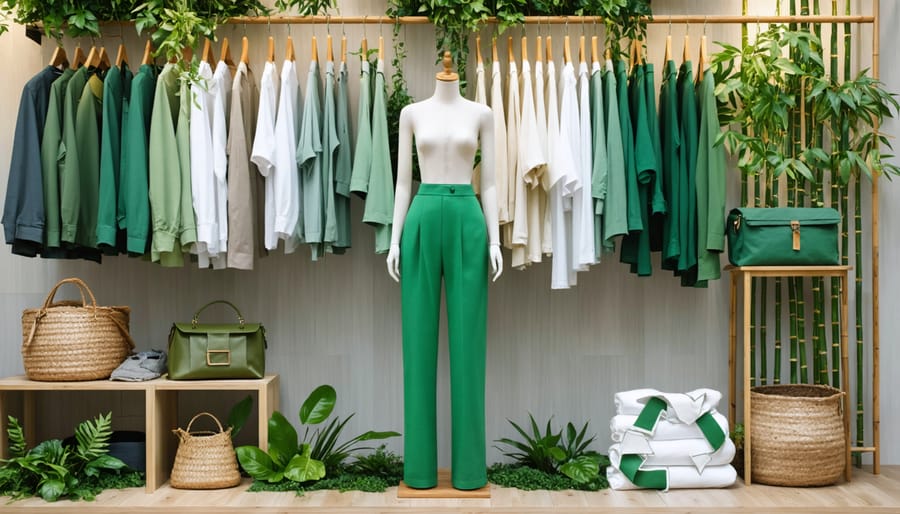
Fashion is an ever-evolving industry driven by creativity, culture, and consumer behavior. Staying ahead of trends is essential for brands that want to remain competitive and relevant. Fashion trend forecasting analysis involves studying market data, cultural influences, and consumer preferences to predict future styles, colors, and designs. This strategic approach helps designers, retailers, and businesses make informed decisions and maximize their success in a dynamic market.
Understanding the Basics of Trend Forecasting
Trend forecasting is the process of identifying upcoming fashion trends before they become mainstream. It combines research, data analysis, and creative insight to predict what consumers will want in the future. This process can be divided into short-term and long-term forecasting.
Short-term forecasting focuses on immediate trends, such as seasonal colors, fabrics, and styles. It is commonly used by fast fashion brands that need to respond quickly to changing consumer demands. Long-term forecasting, on the other hand, looks at broader cultural and social shifts that influence fashion over several years.
Fashion forecasters analyze various sources, including runway shows, street style, social media, and global events. By observing patterns and emerging themes, they can identify trends that are likely to gain popularity. This information helps brands plan collections, manage inventory, and create marketing strategies.
Key Factors Influencing Fashion Trends
Several factors influence the direction of fashion trends. Cultural influences play a major role, as fashion often reflects societal values, traditions, and lifestyles. For example, sustainability has become a significant trend due to increasing environmental awareness.
Economic conditions also impact fashion choices. During economic downturns, consumers may prefer affordable and practical clothing, while periods of growth often lead to increased demand for luxury and high-end fashion.
Technology is another important factor. Innovations in fabric production, digital design, and e-commerce have transformed the fashion industry. Social media platforms, in particular, have accelerated the spread of trends, making it easier for styles to gain global popularity.
Celebrity influence cannot be overlooked. Public figures and influencers often set trends by showcasing new styles to their followers. Their impact can quickly turn a niche design into a mainstream fashion statement.
Tools and Techniques for Trend Analysis
Fashion trend forecasting relies on a combination of traditional methods and modern technology. Data analytics tools help track consumer behavior, sales patterns, and online engagement. These insights provide valuable information about what customers are buying and how their preferences are changing.
Trend forecasting agencies also play a significant role. These organizations provide detailed reports on upcoming trends, including color palettes, fabric choices, and design concepts. Brands often subscribe to these services to stay ahead of the competition.
Social media monitoring is another powerful technique. Platforms like Instagram, Pinterest, and TikTok offer real-time insights into emerging trends. By analyzing hashtags, user-generated content, and influencer activity, brands can identify popular styles and adapt quickly.
Artificial intelligence and machine learning are increasingly being used in trend analysis. These technologies can process large amounts of data and identify patterns that may not be visible through traditional methods.
Applying Trend Forecasting to Business Strategy
Effective trend forecasting is not just about predicting styles; it’s about integrating those insights into business strategies. Designers can use trend data to create collections that align with consumer preferences, increasing the chances of success.
Retailers can optimize inventory management by stocking products that are likely to be in demand. This reduces the risk of overstocking or understocking, which can impact profitability.
Marketing strategies can also benefit from trend forecasting. By aligning campaigns with current and upcoming trends, brands can create more relevant and engaging content. This helps attract customers and build brand loyalty.
Additionally, trend forecasting supports product innovation. By understanding future trends, brands can experiment with new designs, materials, and concepts, staying ahead of competitors.
Challenges in Fashion Trend Forecasting
Despite its benefits, fashion trend forecasting comes with challenges. One of the main difficulties is the unpredictability of consumer behavior. Trends can change rapidly, especially in the age of social media, making it challenging to make accurate predictions.
Over-reliance on trends can also be risky. Brands that focus too much on following trends may lose their unique identity. It is important to balance trend adoption with originality and brand values.
Data overload is another challenge. With so much information available, it can be difficult to identify relevant insights. Brands need to filter data effectively and focus on meaningful patterns.
Sustainability concerns are also shaping the future of fashion forecasting. As consumers become more conscious of environmental impact, brands must consider ethical practices and sustainable materials in their trend analysis.
Conclusion
Fashion trend forecasting analysis is a vital tool for modern brands looking to succeed in a competitive industry. By understanding market dynamics, analyzing key influences, and using advanced tools, businesses can stay ahead of trends and meet consumer expectations.
While challenges exist, a balanced approach that combines data-driven insights with creativity can lead to successful outcomes. In a fast-paced and ever-changing industry, effective trend forecasting is the key to innovation, relevance, and long-term growth.